

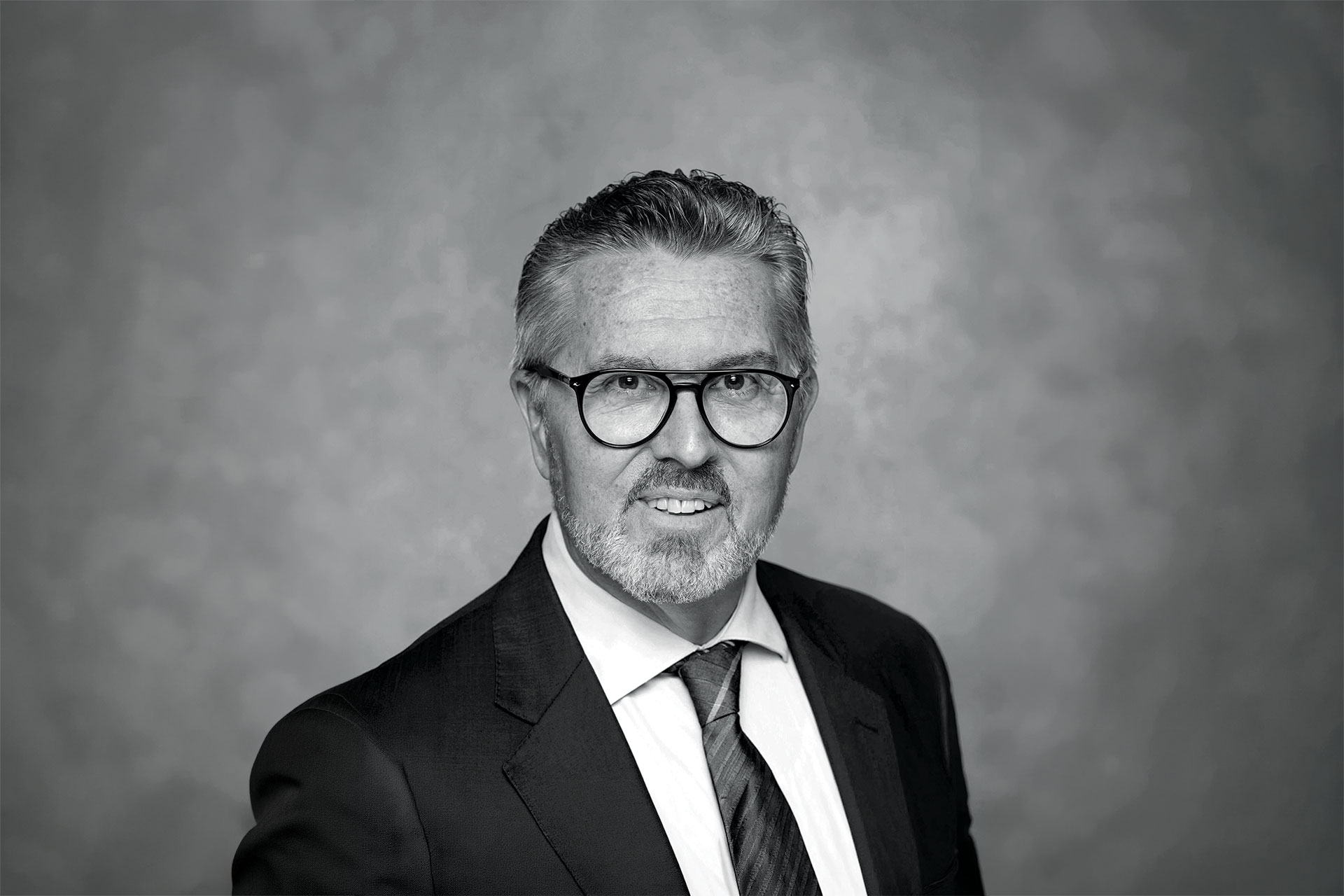
Bruce Macgregor has spent more than three decades working at the intersection of infrastructure and public service. His career has taken him from senior municipal roles in York Region to the Toronto Transit Commission and, since March 2026, the Ontario Ministry of Transportation, giving him a perspective on infrastructure shaped by different levels of government and different stages of project delivery.
Now serving as Ontario’s deputy minister of transportation, Macgregor brings that experience to a period of significant investment and ambition across the province. He shares what his career has taught him about delivering major projects, the relationship between government and industry, and what it will take to turn Ontario’s infrastructure plans into results.
You’ve led organizations at the municipal, transit, and provincial levels throughout your career. As your career has progressed, how has your perspective evolved when it comes to what it takes to successfully deliver infrastructure?
Bruce Macgregor: Over the course of my career, one lesson has been reinforced again and again: Infrastructure projects succeed because of people as much as they do because of engineering or funding. Whether the project involves transit, highways, hospitals, policing facilities, or other public assets, successful delivery depends on trusted relationships, clear communication, and a relentless focus on outcomes.
Challenges are inevitable, but teams that maintain trust, stay focused on public interest, and keep stakeholders engaged are the teams that consistently deliver successful results.
What has your role as Deputy Minister of Transportation reinforced about what it takes to successfully deliver major transportation projects?
Macgregor: Major transportation projects are complex and highly visible. Success requires a shared commitment to integrity, accountability, sound decision-making, and a focus on creating lasting value for the people who depend on our transportation network.
The strongest projects are ones where industry and government see themselves as partners who are delivering a shared outcome.
Bruce Macgregor, Deputy Minister of Transportation
This issue explores the journey from promise to project. What are the most important ingredients for successfully moving major transportation projects from vision to construction?
Macgregor: Moving from vision to construction requires clarity of purpose, sustained leadership, and the willingness to make difficult decisions. Equally important is adaptability. Scope evolves, circumstances change, and challenges arise. Successful projects maintain momentum by staying focused on outcomes while remaining flexible enough to respond to changing conditions.
On projects that are delivered particularly well, what characteristics of the relationship between MTO and its industry partners contribute most to their success?
Macgregor: The strongest projects are ones where industry and government see themselves as partners who are delivering a shared outcome. That happens when there is open communication and early engagement. These projects are complex and have multiple moving parts, so maintaining an open dialogue and the ability to share in problem-solving by addressing issues early is key. Ultimately, a strong partnership is built on mutual respect, accountability, and a shared commitment to delivering a project on time and on budget.
What do you think people outside the infrastructure sector most misunderstand about what it takes to deliver major transportation projects?
Macgregor: Many people see the visible construction stage and understandably assume that is where the work begins. In reality, years of planning, approvals, consultation, environmental considerations, stakeholder engagement, and technical analysis often occur before equipment ever arrives on site.
Ontario delivers transportation infrastructure through a variety of project delivery models. What factors does MTO consider when determining the right approach for a particular project?
Macgregor: There is no single delivery model that works best for every project. Factors such as complexity, risk profile, market capacity, and schedule requirements all influence the approach that is selected. We also want to ensure Ontario continues to attract high-performing contractors while creating opportunities for new entrants and smaller firms. A healthy, competitive construction sector benefits both the province and taxpayers.
Public infrastructure demands accountability and prudent use of taxpayer dollars, but it also depends on continuous improvement. How does MTO encourage innovation while ensuring new approaches are introduced responsibly?
Macgregor: Innovation is essential if we want to improve outcomes and deliver infrastructure more effectively, but it must be balanced with our responsibility to protect public safety and ensure prudent stewardship of public funds. That is why new approaches are often piloted, tested, or introduced incrementally before broader implementation.
A healthy, competitive construction sector benefits both the province and taxpayers.
Bruce Macgregor, Deputy Minister of Transportation
As infrastructure projects become more complex, what capabilities do you think owners and industry partners will need to strengthen over the next decade?
Macgregor: As projects become larger and more interconnected, the industry will need to strengthen collaboration, transparency, and the ability to manage increasingly complex stakeholder relationships. Alternative delivery approaches, including progressive and alliance-based models, will also continue to play an important role.
Another critical area will be building strong and enduring relationships with Indigenous communities. Long-term success depends on meaningful engagement, mutual respect, and consistently delivering on commitments.
Looking back on your career, is there a project or experience that fundamentally changed the way you think about infrastructure delivery?
Macgregor: Rather than a single project, a series of experiences has shaped my perspective. Working in the private sector, municipal government, at the Toronto Transit Commission, and within provincial administration exposed me to infrastructure delivery from different viewpoints and helped me understand the importance of aligning policy, planning, and execution.
Those experiences reinforced that successful delivery is about bringing together diverse stakeholders in pursuit of a common objective and maintaining that alignment throughout the life of a project.
As you reflect on your career to date, what accomplishment are you most proud of?
Macgregor: I am most proud of the opportunity to contribute to projects and initiatives that have improved services for the public and strengthened the communities we serve. Infrastructure is about people. Seeing tangible benefits delivered to residents is always rewarding.
Perhaps more importantly, I am proud of the relationships built along the way. Meaningful accomplishments in public service are never achieved by one person. They are the result of dedicated teams working together toward a shared purpose.
Outside of your professional roles, what has shaped you most as a person and as a leader?
Macgregor: Without question, family has had the greatest influence on me. Family provides perspective, humility, and a constant reminder of what truly matters, regardless of the challenges or responsibilities that come with leadership.
Many of the qualities that matter most in leadership, including empathy, resilience, patience, and accountability, are learned and reinforced through family and personal relationships. They have shaped both who I am and how I lead.

